Moisture Protection
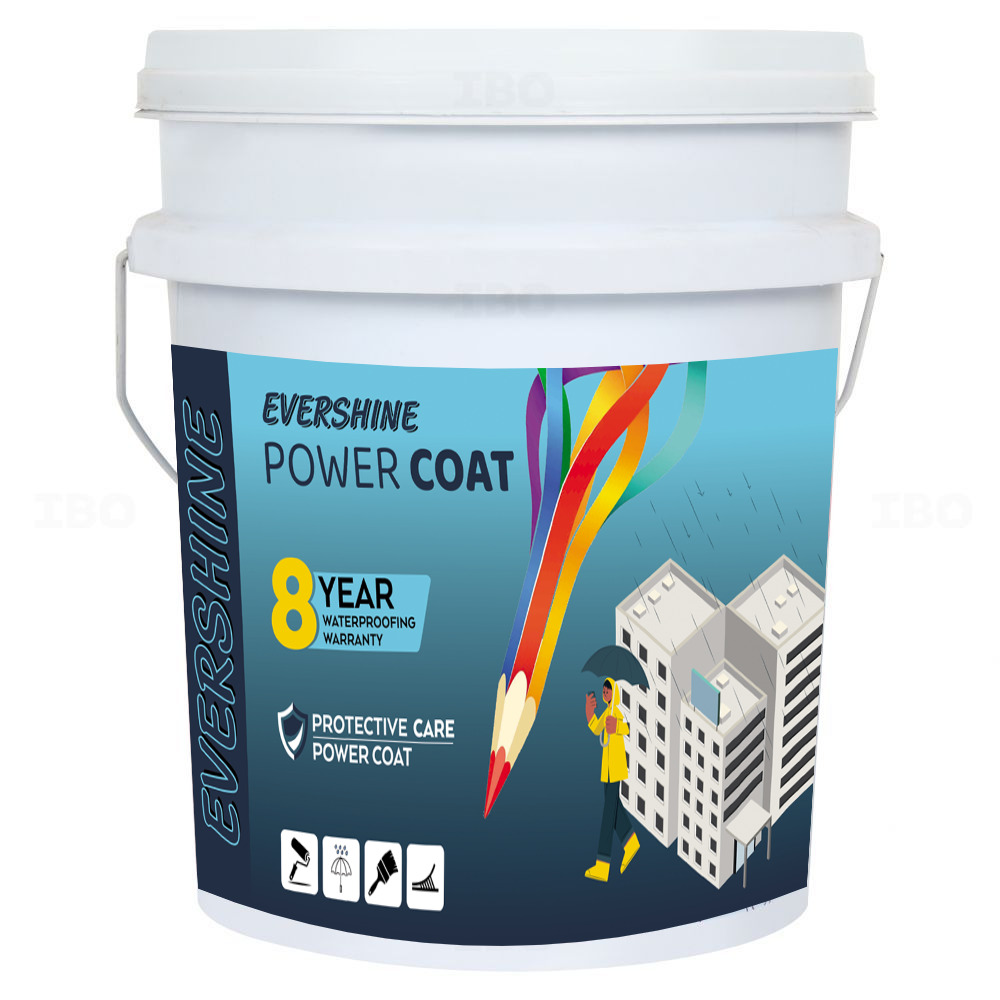
Damp Proof Chemical for exposed walls, parapets and repair-focused waterproofing work
Evershine's Damp Proof Chemical is designed for surfaces affected by damp patches, rainwater seepage and recurring moisture marks. The page now focuses on clear use cases, cleaner hierarchy and easier reading for customers.
It is suitable for repair and maintenance work on masonry, concrete and plastered surfaces after proper surface preparation. The treatment approach should always match the actual site condition and the source of dampness.
- Exterior wall and parapet protection
- Useful for repair and renovation work
- Suitable for prepared masonry and plaster surfaces
- Helps reduce visible dampness and seepage marks
Best suited for moisture-prone exterior surfaces such as terraces, roof edges, parapet walls and sunshades after cleaning, crack repair and sound substrate preparation.
Product Images
Click image to zoom
 Zoom
Zoom
Recommended Areas
Damp Proof Chemical can be used where exposed building elements are affected by rainwater contact, moisture marks or patchy dampness. It is especially relevant for repair-oriented work where a surface needs a more controlled and better-prepared protective treatment.
- Exterior walls showing damp patches, peeling paint or moisture stains
- Parapet walls, terrace side walls and roof-edge plaster areas
- Sunshades and other exposed horizontal or sloping projections
- Old masonry and concrete surfaces after repair and surface correction
- Moisture-prone vertical surfaces that need planned damp-proofing attention
Common Signs of Dampness
Damp proofing is usually considered when the surface already starts showing visual signs of moisture trouble. These signs help indicate where inspection and surface treatment may be required.
- Damp patches, water marks or uneven dark areas on walls
- Paint peeling, blistering finish or visible discoloration
- Loose plaster, weak surface zones or flaky coating layers
- Moisture build-up around parapets, terraces, sunshades or nearby joints
Check the source of dampness before applying any surface treatment. Repair cracks, leaking joints and damaged plaster wherever required.
Basic Application Process
A cleaner application workflow improves finish quality and helps the coating perform more consistently across prepared surfaces.
- Clean the surface thoroughly and remove dust, loose particles, algae, old flaky paint and contaminants.
- Repair visible cracks, joints, weak plaster portions and damaged spots before coating.
- Make sure the substrate is sound, even and properly prepared for the treatment system being used.
- Apply the first coat evenly by suitable site method and allow it to set before the next coat.
- Apply additional coat or finishing coat as required for the surface condition and treatment approach.
- Protect the treated area from early water exposure until the coating has dried adequately.
Surface Preparation and Site Notes
Good damp-proofing results come from the full process, not only the coating itself. Surface cleaning, repair and moisture-source assessment remain important parts of the job.
- Remove dust, oil, loose particles and old unsound coatings before starting.
- Repair cracks and weak plaster areas so the surface is stable and uniform.
- Use the number of coats and drying time according to the actual substrate and site condition.
- Where deeper structural leakage or continuous water pressure is present, the treatment system should be chosen according to actual site needs.
Evershine's Damp Proof Chemical is best presented as part of a practical, site-aware damp-proofing solution for prepared surfaces rather than as a one-step promise.